

Expert Witness Methodology
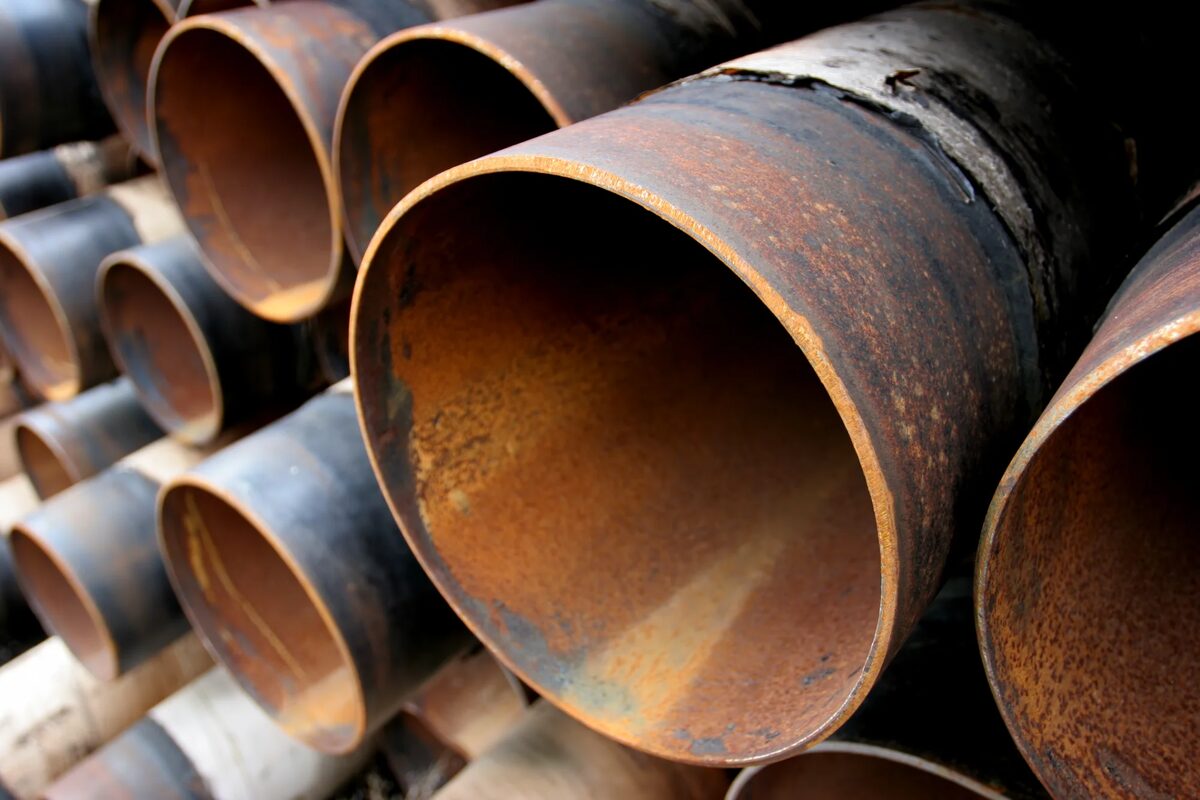
Our approach to steel industry litigation support combines systematic investigation, rigorous analysis, and independent professional judgment. Every engagement follows established best practices while adapting to case-specific requirements and maintaining strict adherence to CPR Part 35 duties and international arbitration standards. Our expert team brings decades of steel industry experience to each matter.
Professional Standards Framework
All our work is conducted under the principles that:
- Our overriding duty is to the court or tribunal, not to instructing parties
- Opinions are formed independently based on evidence, as evidenced by our client testimonials
- Analysis is transparent and reproducible
- Limitations and uncertainties are clearly stated
- All factual assumptions are identified and verified where possible
Quality Assurance
Every expert report undergoes rigorous internal review:
- Technical Review: Senior consultants verify technical accuracy and completeness
- Commercial Review: Pricing and market analysis checked against independent data sources
- Legal Compliance: CPR Part 35 requirements confirmed (statement of truth, declaration of understanding duties, etc.)
- Peer Review: Independent review by FIMMM/FIC qualified consultants not involved in case preparation
- Client Collaboration: Draft report cycles ensuring instructing solicitors' requirements met before finalization
Key Methodological Principles
Evidence-Based Analysis
All conclusions must be traceable to documented evidence:
- Primary sources preferred over secondary (e.g., mill test certificates vs. trader claims)
- Multiple independent data sources used for cross-verification
- Statistical methods applied where appropriate to establish patterns
- Anomalies investigated rather than dismissed
Transparency and Reproducibility
Our analysis can be independently verified:
- Calculation methodologies fully documented with worked examples
- Data sources identified with access methods specified
- Assumptions explicitly stated and sensitivity tested
- Limitations acknowledged (data gaps, uncertainty ranges)
Industry Context
Technical and commercial matters assessed against industry norms:
- Steel production capabilities and constraints
- Standard commercial practices and trade customs
- Typical contract terms and INCOTERMS application
- Realistic timescales for production, shipping, and delivery
- Market conditions and price formation mechanisms
Case Study: Forensic Investigation Methodology
Context: Litigation involving alleged international steel pipe transactions with significant financial implications. Our role: verify authenticity of claimed commercial activity and quantify actual market values.
Challenge: Documentary evidence (invoices, shipping documents) appeared superficially complete, but opposing counsel raised questions about transaction legitimacy. Required systematic verification across multiple evidence streams.
1. Market Demand Analysis
Method: Calculated theoretical steel consumption based on economic fundamentals:
- Consumption data from World Steel Association
- Steel pipe intensity coefficients (pipe as % of total finished steel demand) for comparable economies
- Pipeline construction reports (general news sources; technical reports
Finding: Claimed pipe volumes represented implausibly high proportion of realistic total steel consumption for economy size.
2. End-Use Verification
Method: Investigated potential applications for large-diameter pipeline:
- Reviewed government infrastructure project announcements and approvals
- Analyzed energy sector development plans
- Checked environmental impact assessments (required for major pipeline projects)
Finding: No pipeline construction projects identified that could account for claimed volumes during relevant timeframe.
3. Supply Source Analysis
Method: Investigated claimed European supplier:
- Checked steel capacity directories - no record of supplier as notable pipe producer
- Analysed technical specifications on invoices (diameter and wall thickness)
- Identified global producers capable of manufacturing this particular specification (very thick-walled, large diameter welded pipe requires specialized equipment)
- Examined export statistics from countries with capable producers
Finding: Named European supplier had no pipe production capability. Only potential manufacturers were located in Japan. No export volumes matching invoice tonnages found in Japanese customs data for relevant periods.
4. Delivery Timeline Analysis
Method: Compared invoice delivery times against realistic shipping schedules:
- Calculated sea freight duration from Japan (only feasible source) to destination
- Factored typical loading/unloading times
- Used standard vessel speeds and port call durations
Finding: Invoices specified 10-day delivery. Actual minimum shipping time: 5+ weeks. Physically impossible timeline.
5. Transport Logistics Assessment
Method: Large diameter pipe presents significant transport challenges:
- Maximum transportable length by truck: approximately 6 meters
- Calculated truck requirements for monthly deliveries (tens of kilometers of pipeline)
- Assessed against national truck fleet capacity
Finding: Some monthly consignments would require more trucks than estimated to be nationally available, even including military fleet at 100% deployment.
6. Pricing Benchmarking
Method: Compared invoice prices against UN Comtrade customs-declared values for identical HS code products (same specifications, similar timeframe).
Finding: Significant discrepancies between invoice price values and market-representative customs data.
7. Documentation Quality Review
Method: Assessed invoice completeness against industry standards. Oil and gas pipeline must meet API specifications with documented guarantees for:
- Material grade and chemistry
- Dimensional tolerances
- Pressure ratings and testing
- Coating specifications
- Certification and traceability
Finding: Invoices lacked standard technical specifications, performance standards, and quality guarantees typical of genuine pipeline transactions.
Conclusion: Seven independent lines of evidence all indicated transactions were not genuine commercial pipe purchases:
- Demand volumes inconsistent with economy size
- No pipeline construction projects identified
- No corresponding trade statistics
- Supplier lacked production capability
- Delivery timelines physically impossible
- Transport logistics infeasible
- Pricing anomalies versus market data
- Documentation deficient versus industry norms
Outcome: Expert evidence contributed to successful case resolution. This demonstrates our systematic approach to complex forensic investigations, utilizing multiple data sources and cross-verification methodologies.
Why Our Methodology Matters
Rigorous, systematic methodology distinguishes credible expert testimony from opinion-based advocacy. Our approach ensures:
- Defensibility: Every conclusion traceable to documented evidence
- Transparency: Assumptions and limitations clearly stated
- Reproducibility: Independent experts can verify our analysis
- Credibility: Withstands cross-examination and peer scrutiny
- Compliance: Meets legal and professional standards across jurisdictions
For examples of how this methodology applies across different dispute types, see our case studies. To discuss your specific requirements, please contact us.